Plumbing service · Brisbane

Water Leaks & Pipe Repairs in Brisbane

A visible drip, damp cabinet, unexplained water use or burst-pipe symptom can have very different causes. The first useful step is to identify what is affected, whether water is still flowing and what access is available before choosing a repair path.
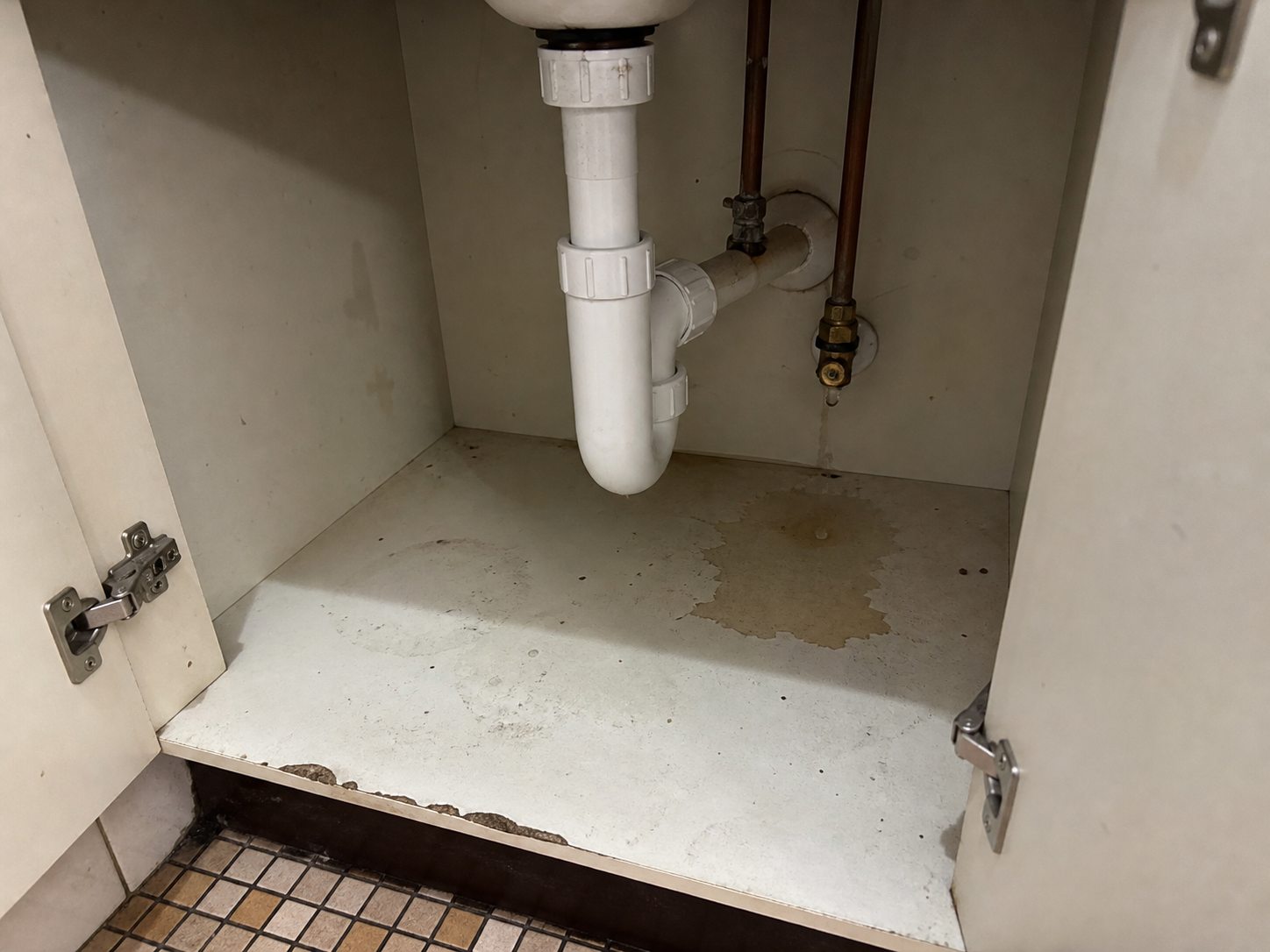
Slow leak and damp cabinet base beneath a bathroom vanity
Before repair

Plumbing help for this issue

Start with the problem at the property, then work out the right repair.

Water-leak work should distinguish an active visible leak from a concealed symptom and then define access, repair extent, testing and reinstatement responsibilities. A photo can frame the enquiry, but it cannot prove the full source or damage path.

How we can help

Plumbing help for this problem

Water-leak work should distinguish an active visible leak from a concealed symptom and then define access, repair extent, testing and reinstatement responsibilities. A photo can frame the enquiry, but it cannot prove the full source or damage path.

Tell us what is happening

Describe when the problem started, which fixtures are affected and any recent changes at the property.

When to call about this service

  • Homes with visible leaks at pipes, valves or fixture connections
  • Properties with dampness, staining or water-use changes that need investigation
  • Customers comparing isolation, local repair and broader pipework options

Common signs at the property

  • Water is dripping or spraying from a visible connection
  • A wall, ceiling, cabinet or floor is damp without an obvious source
  • A pipe has split or failed after impact, movement or deterioration
  • The water meter or bill suggests ongoing use that is not explained

Service options

Different symptoms can lead to different work

Visible connection leaks

Assess accessible valves, hoses, joints and fixture connections.

Useful for: A clear drip or spray point

Concealed leak investigation

Use symptoms, meter observations and staged access to narrow a hidden source.

Useful for: Dampness without a visible origin

Burst or damaged pipe repair

First control the water, then assess material, damage length and access.

Useful for: Split, impact-damaged or failed pipe

Repeated pipe failures

Review history and visible system condition before limiting work to one fitting.

Useful for: More than one leak in the same area

Common causes worth separating

Connection wear or movement

Hoses, valves and joints can loosen, corrode or fail over time.

Pipe deterioration or damage

Material condition, impact, movement and environmental exposure can contribute.

Fixture or appliance source

Water may track from a nearby toilet, tap, waste, hot-water unit or appliance connection.

Repair options

What can change the work required

Visible source or concealed symptom

A leaking hose or valve can be directly inspected, while dampness away from fixtures may need staged investigation.

What to check: Photograph both the affected surface and nearby plumbing fixtures or service points.

Local repair or pipe replacement

Material, age, repeated failures and access affect whether one fitting or a longer pipe section should be addressed.

What to check: Share any previous leaks or repairs in the same area.

Make-safe or complete scope

Active water may first need isolation before access, drying or a permanent repair can be planned.

What to check: Ask which work controls the immediate leak and which work completes the repair.

Not sure what the problem needs?

Talk through the symptoms before choosing a repair option.

Call for a direct conversation, or email the property suburb, affected fixture and safe photos for context.

What we can discuss

  • Review of symptoms, timing, affected area and safe photos
  • Confirmation of whether the enquiry fits visible repair or further investigation
  • On-site assessment of accessible pipework, fixtures and likely source
  • A written repair scope after the source and access requirements are understood

Before we quote

  • Hidden-leak location and damage extent depend on site assessment and access
  • The written quote should state any wall, floor or ceiling access and reinstatement separately
  • Electrical hazards, structural damage and hazardous materials require the relevant specialist pathway
  • Call to confirm current availability and whether first-visit completion is practical

What to send for the first assessment

  • Whether water is still flowing and whether isolation is safe
  • Wide context and close-up photos of the symptom
  • Nearby fixtures, appliances and recent building work
  • Pipe material or approximate property age if known
  • Any change in water-meter movement or water use

What can shape the written quote

  • Time needed to identify and expose the source
  • Pipe material, fittings and extent of replacement
  • Access through cabinetry, walls, ceilings or external areas
  • Make-safe work, testing and any separate reinstatement

Request a quote

A few details help us understand the job.

Use these details to describe the affected fixture, visible symptom, access and any relevant property information before we discuss the work.

1. Describe what is happeningDescribe what you can see and when it happens.
  • Water is dripping or spraying from a visible connection
  • A wall, ceiling, cabinet or floor is damp without an obvious source
  • A pipe has split or failed after impact, movement or deterioration
  • The water meter or bill suggests ongoing use that is not explained
2. Add useful photos and access detailsShow the affected item and enough surrounding area to understand access.
  • Whether water is still flowing and whether isolation is safe
  • Wide context and close-up photos of the symptom
  • Nearby fixtures, appliances and recent building work
  • Pipe material or approximate property age if known
  • Any change in water-meter movement or water use
3. Note what may change the quoteThese details can affect the inspection, materials and quoted work.
  • Time needed to identify and expose the source
  • Pipe material, fittings and extent of replacement
  • Access through cabinetry, walls, ceilings or external areas
  • Make-safe work, testing and any separate reinstatement
4. Prepare the property detailsKeep the property safe and gather the information needed for follow-up.
  • Record whether the leak is active or intermittent
  • Observe the water meter only where safe
  • Move items away from the wet area
  • Send context and close-up photos without opening unsafe building areas

Ready with the basics?

Send the job details.

Start enquiry

How the service works

From the first call to agreed work

  1. 01

    Describe the problem

    Share the Brisbane suburb, affected fixture or pipe, when the issue began and safe wide and close-up photos.

  2. 02

    Discuss the job

    We discuss the problem, access to the affected area and whether another qualified trade may also be needed.

  3. 03

    Assess the property

    The visible condition, connections, access and likely repair paths are reviewed before a final recommendation is made.

  4. 04

    Review the quote

    The written quote sets out the proposed plumbing work, exclusions, price basis and next step before work begins.

What you can prepare before contact

Record whether the leak is active or intermittent
Observe the water meter only where safe
Move items away from the wet area
Send context and close-up photos without opening unsafe building areas

Ready to share the property details?

Start with the issue, access conditions and safe photos.

Call or email to discuss the job and confirm availability.

A slow vanity connection leak and the completed repair

A small supply leak may first appear as a bead of water, a damp cabinet base or an older stain. This pair keeps the existing vanity and pipework visible before and after the leaking connection is replaced.
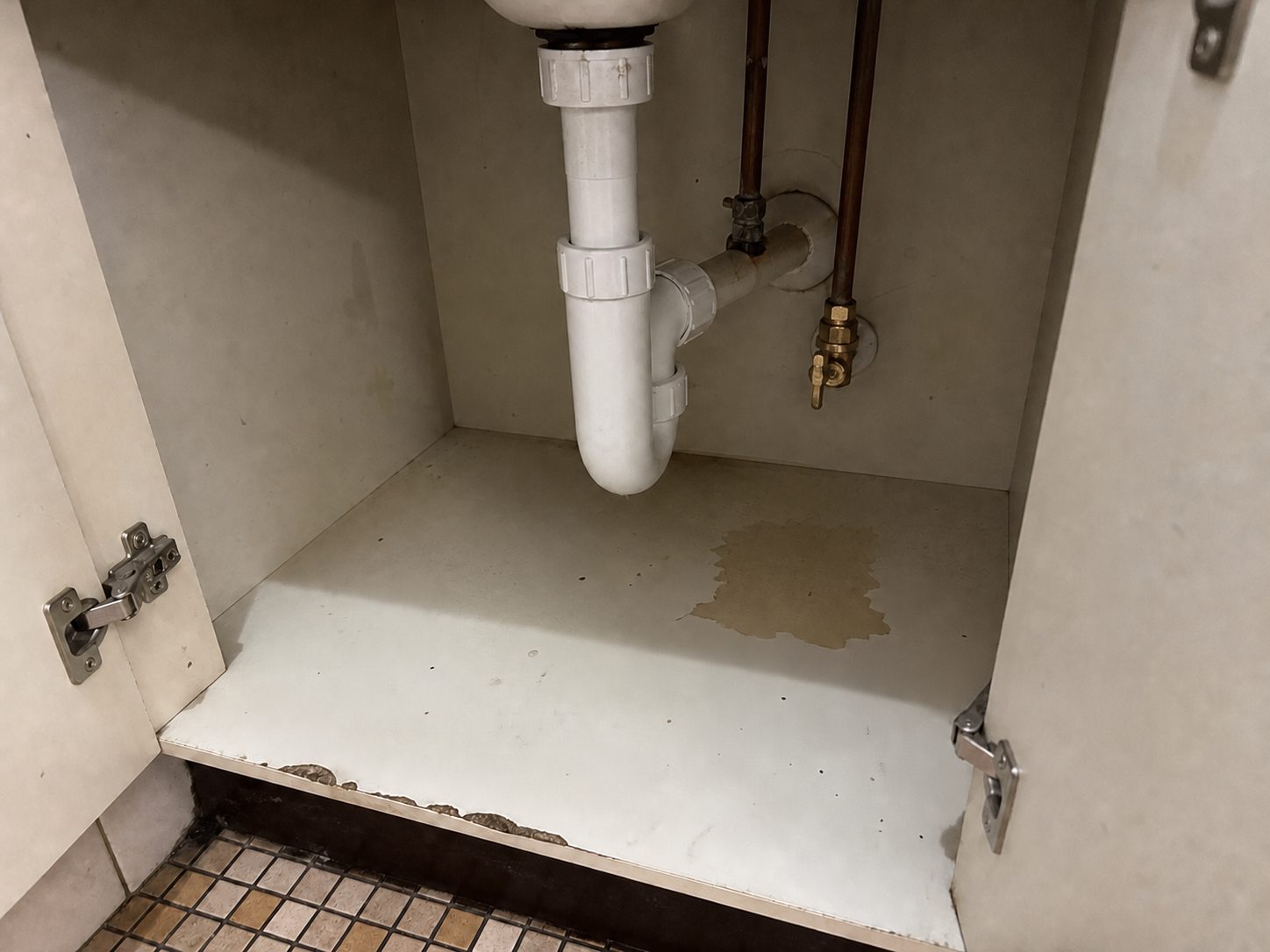
Slow leak and damp cabinet base beneath a bathroom vanity
Before repair
The same vanity connection after replacement with the old stain still visible
After repair
View all Brisbane plumbing projects

Frequently asked questions

What should I do if water is actively leaking?+

Keep people away from hazards and, only if it is safe and you know how, isolate the relevant water supply. Call with the suburb, affected area and whether water is still flowing.

Can a hidden water leak be found without opening a wall?+

Sometimes non-destructive checks can narrow the source, but no method can guarantee that access will never be required. The symptom, construction and pipe route all matter.

Does a high water bill always mean a pipe leak?+

No. Household use, irrigation, running toilets and appliance connections can also increase consumption. Meter observations and a site review help narrow the cause.

Will damaged walls or cabinetry be repaired too?+

The written quote should state this. Plumbing access, drying, building repair and finishing are often separate parts of the job.

What information helps before attendance?+

Send the location, when it appears, whether it changes with fixture use, any meter observation and safe context and close-up photos.

Related plumbing services

Need help with a plumbing problem?

Call to explain the issue, or email photos and property details for context.

Call 0425 170 688
Call 0425 170 688