Plumbing service · Brisbane

Leaking Tap, Sink & Fixture Repairs in Brisbane

Leaking tap repairs in Brisbane can involve a worn washer or cartridge, a loose fitting, a damaged mixer, or a leak at a hose, valve or fixture connection. Share the affected tap or fixture, where water first appears and safe photos so the likely repair or compatible replacement path can be assessed.
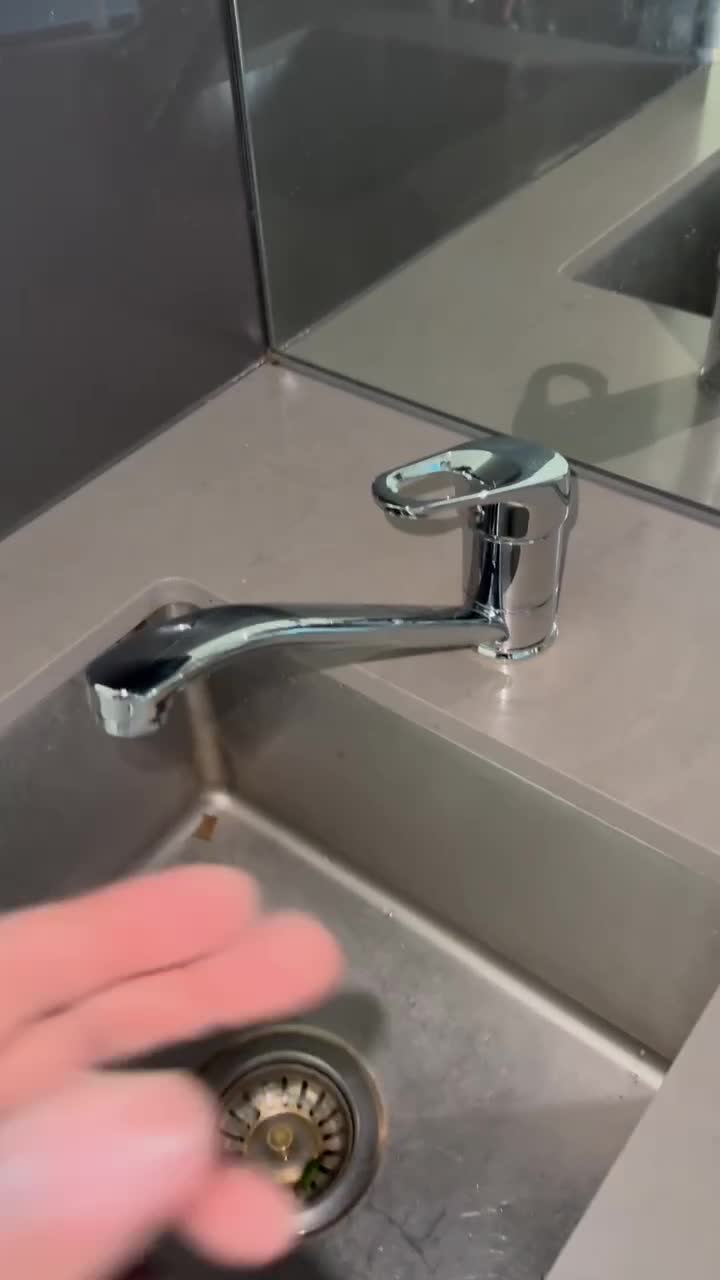
Installed kitchen mixer beside the completed sink area
Installed kitchen mixer

Plumbing help for this issue

Start with the problem at the property, then work out the right repair.

For leaking tap repairs in Brisbane, the tap type, exact leak point, isolation access and fixture condition need to be checked before confirming whether repair or replacement is appropriate. Leaks may come from the tap, mounting, hose, valve or waste connection below.

How we can help

Plumbing help for this problem

For leaking tap repairs in Brisbane, the tap type, exact leak point, isolation access and fixture condition need to be checked before confirming whether repair or replacement is appropriate. Leaks may come from the tap, mounting, hose, valve or waste connection below.

Tell us what is happening

Describe when the problem started, which fixtures are affected and any recent changes at the property.

When to call about this service

  • Homes with dripping, stiff, loose or noisy taps and mixers
  • Customers with leaks beneath sinks, basins or laundry troughs
  • Owners comparing fixture repair with a compatible replacement

Common signs at the property

  • A tap drips after it is turned off or is difficult to operate
  • Water appears beneath a sink, basin or trough
  • A mixer, spout, shower fitting or isolation valve feels loose
  • The fixture has low or uneven flow compared with nearby outlets

Service options

Different symptoms can lead to different work

Dripping taps and mixers

Assess the tap type, cartridge or service parts and seating condition.

Useful for: Water drips after shut-off

Under-sink leaks

Trace water around hoses, valves, wastes, traps and seals.

Useful for: Damp cabinet or visible drops

Loose or damaged fixtures

Check mounting, body condition, spout movement and surface compatibility.

Useful for: Unstable or difficult-to-use tapware

Fixture replacement

Review dimensions, pressure, connections and product requirements before fit-off.

Useful for: New tap, sink, basin or shower fixture

Common causes worth separating

Worn service parts

Washers, cartridges, seals and O-rings can wear or collect debris.

Loose or deteriorated connections

Hoses, valves, wastes and mounting hardware can move or age.

Broader supply or drainage issue

Low flow, noise or slow drainage may not be caused by the visible fixture.

Repair options

What can change the work required

Service or replacement

Wear parts may be serviceable, while corrosion, damage or unavailable cartridges can favour replacement.

What to check: Photograph the whole fixture and any brand or model marking.

Fixture leak or connection leak

A drip from the outlet differs from water around a base, hose, valve, trap or waste connection.

What to check: Note exactly when and where water first appears.

Like-for-like or changed tapware

Mounting holes, reach, height, pressure and hose arrangements affect compatibility.

What to check: Share product specifications before ordering replacement tapware.

Not sure what the problem needs?

Talk through the symptoms before choosing a repair option.

Call for a direct conversation, or email the property suburb, affected fixture and safe photos for context.

What we can discuss

  • Review of fixture type, brand information, symptom and safe photos
  • Assessment of accessible tapware, valves, hoses, wastes and seals
  • Repair-versus-replacement discussion based on condition and parts
  • A written quote for the agreed parts, installation and testing

Before we quote

  • Low flow can involve the fixture, local valve, supply or a wider property issue
  • Customer-supplied fixtures must be checked for fit, pressure and connection compatibility
  • Water damage, cabinetry and finishing repairs are separate unless written into the scope
  • Brand availability, product warranty and same-visit completion depend on the selected fixture and current stock

What to send for the first assessment

  • Wide photo of the sink, basin, shower or trough
  • Close-up of the leak point and connections beneath where accessible
  • When the issue occurs and whether isolation changes it
  • Brand, model or product link if known
  • Any swelling, staining or damage around cabinetry and surfaces

What can shape the written quote

  • Fault diagnosis, service parts and fixture condition
  • Replacement product and connection compatibility
  • Access to isolation valves, hoses, wastes and mounting points
  • Removal, installation, testing and separate damage repair

Request a quote

A few details help us understand the job.

Use these details to describe the affected fixture, visible symptom, access and any relevant property information before we discuss the work.

1. Describe what is happeningDescribe what you can see and when it happens.
  • A tap drips after it is turned off or is difficult to operate
  • Water appears beneath a sink, basin or trough
  • A mixer, spout, shower fitting or isolation valve feels loose
  • The fixture has low or uneven flow compared with nearby outlets
2. Add useful photos and access detailsShow the affected item and enough surrounding area to understand access.
  • Wide photo of the sink, basin, shower or trough
  • Close-up of the leak point and connections beneath where accessible
  • When the issue occurs and whether isolation changes it
  • Brand, model or product link if known
  • Any swelling, staining or damage around cabinetry and surfaces
3. Note what may change the quoteThese details can affect the inspection, materials and quoted work.
  • Fault diagnosis, service parts and fixture condition
  • Replacement product and connection compatibility
  • Access to isolation valves, hoses, wastes and mounting points
  • Removal, installation, testing and separate damage repair
4. Prepare the property detailsKeep the property safe and gather the information needed for follow-up.
  • Identify exactly where water appears
  • Compare hot and cold flow
  • Clear safe access beneath the fixture
  • Send product details if replacement tapware is already selected

Ready with the basics?

Send the job details.

Start enquiry

How the service works

From the first call to agreed work

  1. 01

    Describe the problem

    Share the Brisbane suburb, affected fixture or pipe, when the issue began and safe wide and close-up photos.

  2. 02

    Discuss the job

    We discuss the problem, access to the affected area and whether another qualified trade may also be needed.

  3. 03

    Assess the property

    The visible condition, connections, access and likely repair paths are reviewed before a final recommendation is made.

  4. 04

    Review the quote

    The written quote sets out the proposed plumbing work, exclusions, price basis and next step before work begins.

What you can prepare before contact

Identify exactly where water appears
Compare hot and cold flow
Clear safe access beneath the fixture
Send product details if replacement tapware is already selected

Ready to share the property details?

Start with the issue, access conditions and safe photos.

Call or email to discuss the job and confirm availability.

Kitchen mixer replacement and flow test

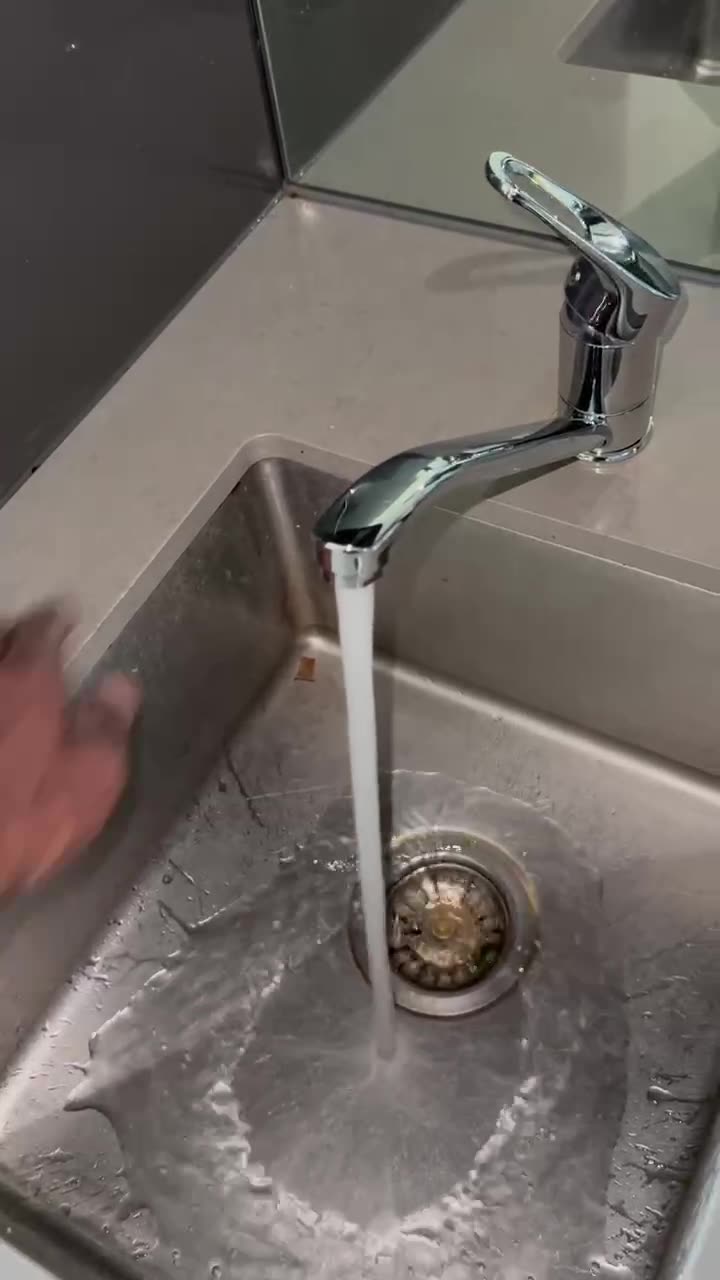
The first photo shows the installed kitchen mixer and sink area. The second shows the mixer running during the final water-flow test.
Installed kitchen mixer beside the completed sink area
Installed kitchen mixer
Kitchen mixer running during the final flow test
Water-flow test

Project type

Residential kitchen mixer

Result

The mixer produced a steady visible stream during the final check.

Work included

  • Check the installed mixer and its operation
  • Run the tap through a visible flow test
  • Review the sink area at the end of the work
View all Brisbane plumbing projects

Frequently asked questions

Can a leaking tap usually be repaired?+

Often, but it depends on the tap type, wear, corrosion and availability of a compatible washer, cartridge or other service part.

Why is water collecting under my sink?+

Possible sources include tap hoses, isolation valves, supply joints, wastes, traps, seals or water tracking from above. The first visible drop helps narrow it down.

Can you install tapware I have purchased?+

Compatibility should be checked first. Product dimensions, mounting, pressure requirements, connections and warranty conditions can affect the scope.

Does low pressure mean the tap is faulty?+

Not always. Compare hot and cold flow and nearby fixtures because the restriction may be local or part of a broader supply issue.

What should I send for an initial review?+

Send the whole fixture, the exact leak point, under-sink connections where safe, product details and a short description of when the problem occurs.

Related plumbing services

Need help with a plumbing problem?

Call to explain the issue, or email photos and property details for context.

Call 0425 170 688
Call 0425 170 688