Plumbing service · Brisbane

Drainage & Stormwater Plumbing in Brisbane

Poor surface drainage, damaged private pipework and stormwater overflow are different from a simple fixture blockage. The property boundary, lawful discharge path, pipe condition, levels and wet-weather behaviour all shape the next step.
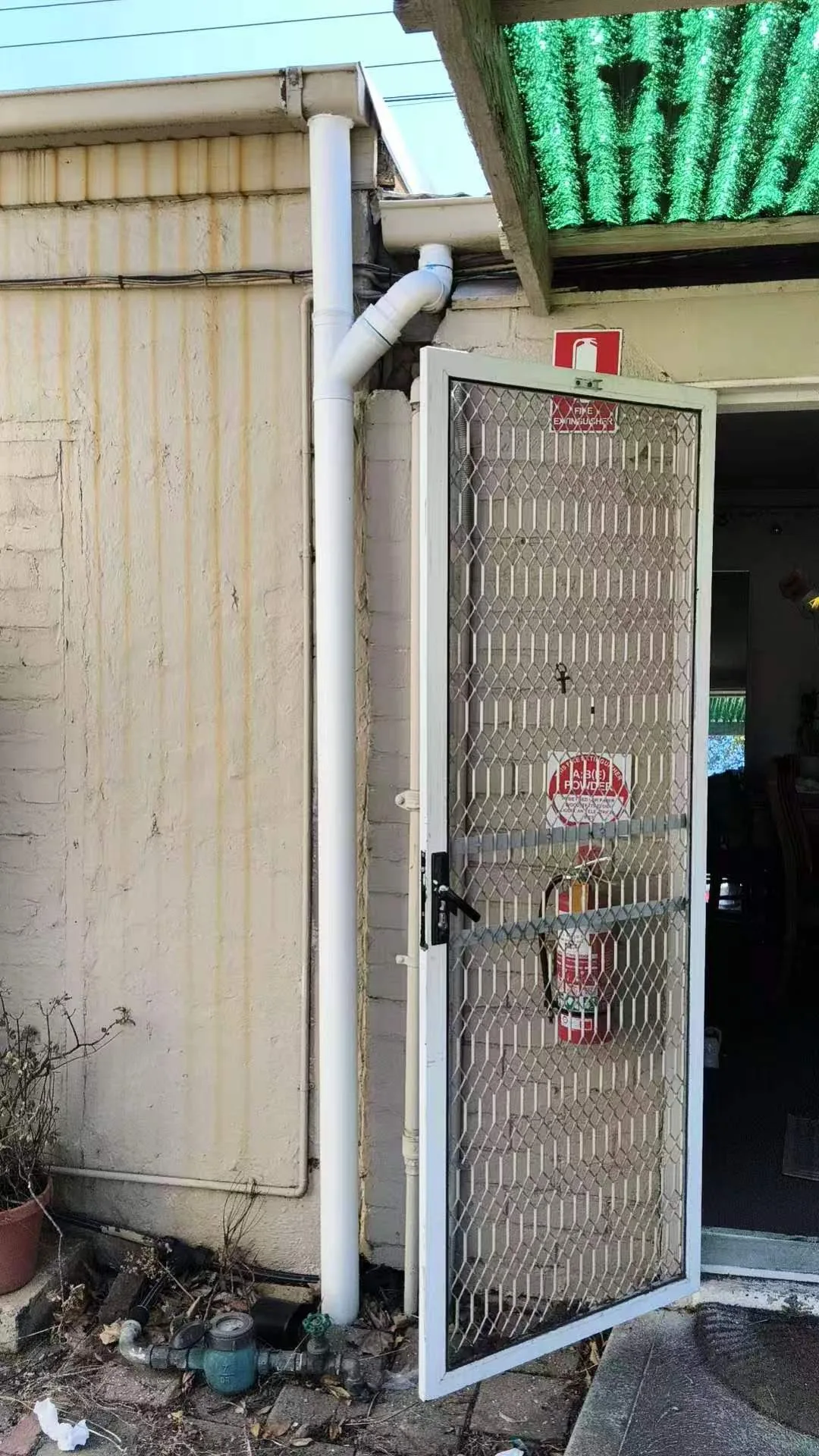
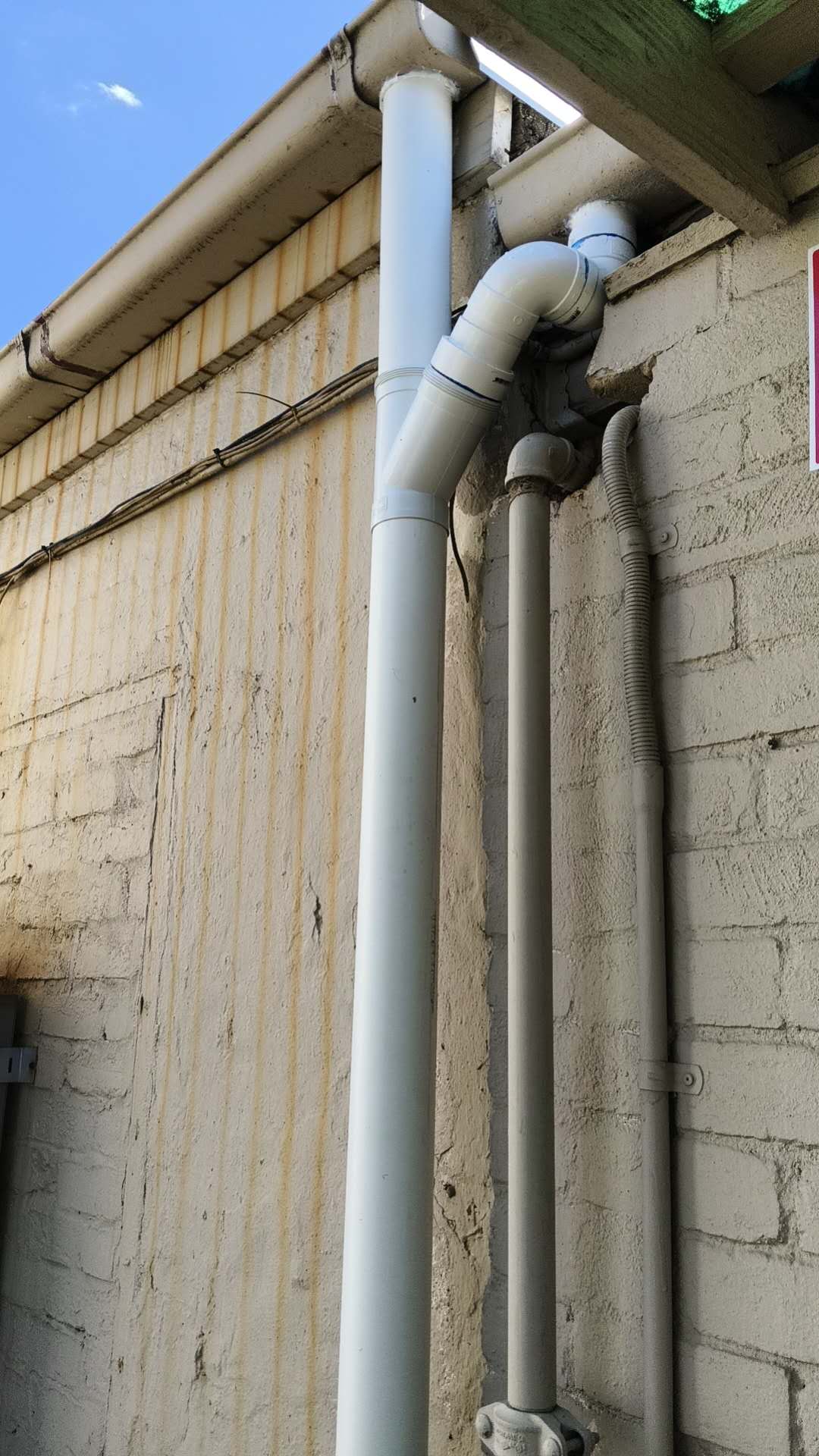
Owner-supplied project photo showing a completed exterior drainage pipe installation
Owner-supplied project image

Drainage & Stormwater Plumbing in Brisbane at a glance

Start with the property issue, then confirm the right plumbing scope.

Drainage and stormwater work should identify the affected system, whether the asset is private or public, the lawful discharge path and whether the problem is blockage, damage, levels or capacity. Brisbane Council guidance distinguishes private-property maintenance from Council infrastructure.

Direct answer

What this service decision involves

Drainage and stormwater work should identify the affected system, whether the asset is private or public, the lawful discharge path and whether the problem is blockage, damage, levels or capacity. Brisbane Council guidance distinguishes private-property maintenance from Council infrastructure.

Start with the symptom

A service name does not prove the cause. Note what is happening, when it happens, every affected fixture and any recent change before choosing a repair path.

Who this page may help

  • Properties with pooling, overflowing pits or private stormwater symptoms
  • Customers planning drainage pipe installation, alteration or local repair
  • Renovation or external works needing drainage routes and responsibilities clarified

What may be happening now

  • Water pools near a building, yard, path or driveway after rain
  • A private pit, grate, downpipe connection or drain overflows
  • An exterior drainage pipe is damaged, poorly supported or being replaced
  • Building or landscaping work changes levels, runoff or existing drain access

Service options

Different symptoms can lead to different work

Private stormwater assessment

Review pits, grates, downpipes, private pipes and discharge symptoms.

Useful for: Overflow or pooling on private property

Drainage pipe installation

Define route, level, material, connections, access and reinstatement.

Useful for: New or altered private drainage

Local pipe repair

Use observed damage and access conditions to define the repair area.

Useful for: Known damaged exterior pipe section

Wet-weather investigation

Compare rainfall, flow paths, private assets and boundary conditions.

Useful for: Problems that occur during rain

Common causes worth separating

Debris, silt or root intrusion

External drains and private pipes can lose flow because of accumulated material.

Damage, poor support or movement

Cracked, displaced or poorly graded pipework can create repeated symptoms.

Runoff, level or capacity mismatch

Changed surfaces, landscaping or intense rainfall can expose a broader drainage issue.

Compare the path

Decisions that change the service scope

Private line or public infrastructure

The responsible party depends on where the issue sits relative to the property boundary and network.

Check: Mark the symptom and property boundary on a photo or plan where possible.

Blockage or capacity and level problem

Debris or roots differ from inadequate falls, damaged pipes, changed runoff or an undersized system.

Check: Describe whether the problem occurs in light rain, heavy rain or all conditions.

Local repair or wider drainage plan

One damaged section may be repairable, while repeated pooling can require levels, routes and discharge points to be reviewed together.

Check: Share site plans, previous drainage work and photos taken during the problem.

Need help choosing the right path?

Discuss the symptom before deciding the service scope.

Call for a direct conversation, or email the property suburb, affected fixture and safe photos for context.

What the enquiry can include

  • Review of the symptom location, rainfall pattern, boundaries and available plans
  • Assessment of accessible private drains, pits, pipework and discharge path
  • Discussion of clearing, local repair, replacement or further design information
  • A written scope stating plumbing work and any separate civil, engineering or approval needs

Important service notes

  • Council infrastructure and private property drainage have different responsibilities
  • Engineering, survey, excavation, landscaping and Council approvals are separate unless scoped
  • No drainage design or flood-prevention outcome can be promised from photos alone
  • Public or shared infrastructure issues may need Council or Urban Utilities involvement

What to send for the first assessment

  • Property address, boundary context and affected area
  • Dry-weather and wet-weather photos or video
  • Known pits, grates, downpipes, outlets and accessible pipework
  • Site slope, recent landscaping, renovation or building work
  • Available drainage plans, approvals or previous inspection findings

What can shape the written quote

  • Investigation, locating and access requirements
  • Pipe route, depth, material, length and connection points
  • Excavation, disposal, backfill and surface reinstatement
  • Design, approval, engineering or other separately scoped work

Build a more useful first enquiry

Open each step before sending your job details.

These panels organise the same service evidence into a quick checklist. They do not estimate price, diagnose the fault or confirm availability.

1. Describe what is happeningRecord the visible symptom and when it occurs.
  • Water pools near a building, yard, path or driveway after rain
  • A private pit, grate, downpipe connection or drain overflows
  • An exterior drainage pipe is damaged, poorly supported or being replaced
  • Building or landscaping work changes levels, runoff or existing drain access
2. Add useful photos and access detailsShow the affected item and enough surrounding area to understand access.
  • Property address, boundary context and affected area
  • Dry-weather and wet-weather photos or video
  • Known pits, grates, downpipes, outlets and accessible pipework
  • Site slope, recent landscaping, renovation or building work
  • Available drainage plans, approvals or previous inspection findings
3. Note what may change the quoteThese details can influence the inspection, materials and approved scope.
  • Investigation, locating and access requirements
  • Pipe route, depth, material, length and connection points
  • Excavation, disposal, backfill and surface reinstatement
  • Design, approval, engineering or other separately scoped work
4. Prepare for the next conversationKeep the property safe and gather the information needed for follow-up.
  • Photograph the problem during rain only from a safe location
  • Mark pits, outlets and boundaries on a sketch
  • Provide available drainage plans
  • List recent landscaping, building or drainage changes

Ready with the basics?

Prepare a structured email enquiry.

Start enquiry

Enquiry process

A clear path from information to approved scope

  1. 01

    Describe the problem

    Share the Brisbane suburb, affected fixture or pipe, when the issue began and safe wide and close-up photos.

  2. 02

    Confirm the service fit

    The enquiry is checked against the actual service scope, likely access needs and any separate regulated trade requirements.

  3. 03

    Assess the property

    The visible condition, connections, access and likely repair paths are reviewed before a final recommendation is made.

  4. 04

    Approve a written scope

    The proposed work, exclusions, price basis and next step should be clear before approved work proceeds.

What you can prepare before contact

Photograph the problem during rain only from a safe location
Mark pits, outlets and boundaries on a sketch
Provide available drainage plans
List recent landscaping, building or drainage changes

Ready to share the property details?

Start with the issue, access conditions and safe photos.

The contact links open a direct call or email enquiry; they do not claim an automatic booking or arrival time.

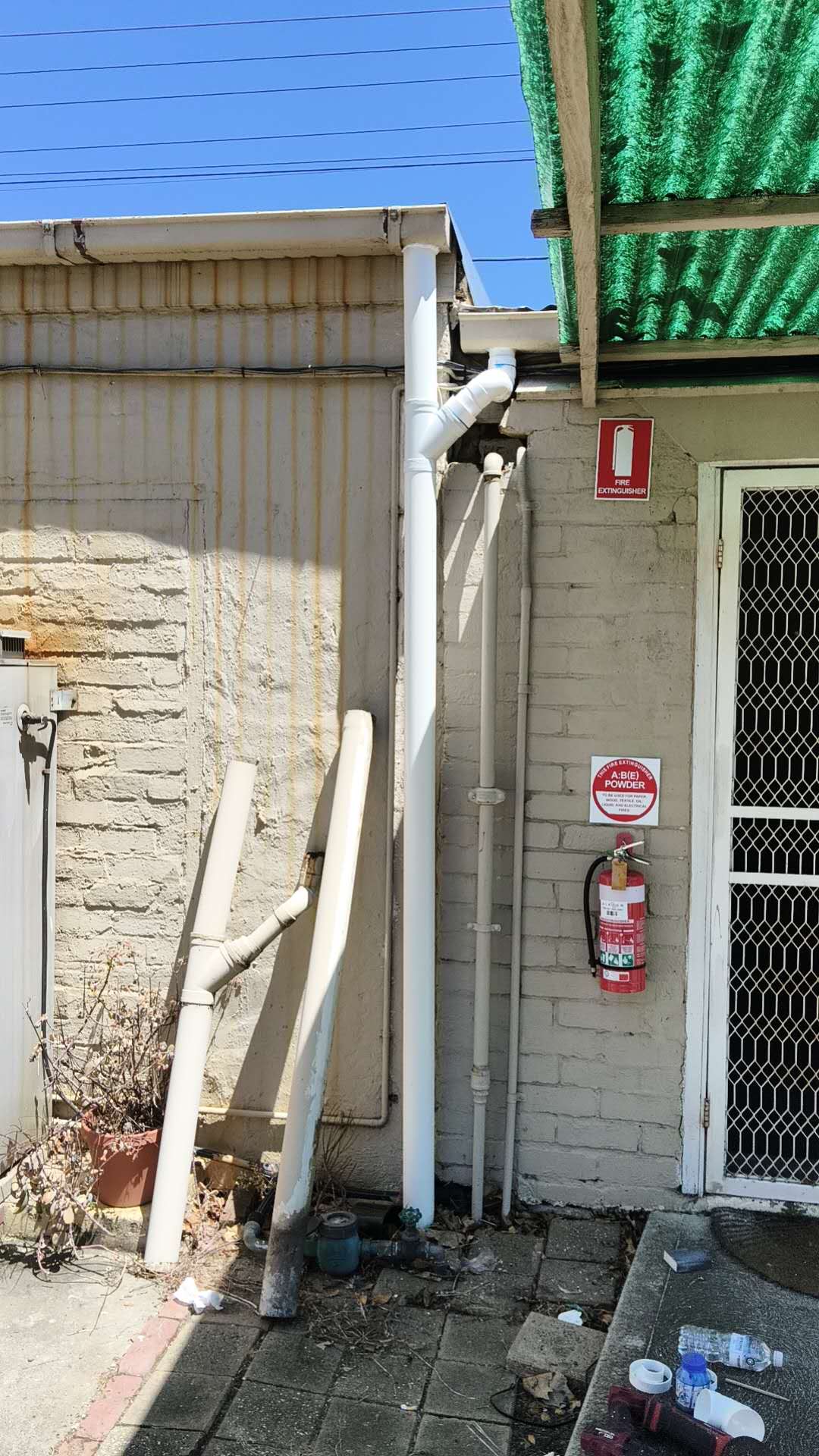
Owner-supplied project image showing an exterior drainage pipe installation in progress

Related project evidence

Owner-supplied exterior drainage installation image. The paired completed-condition image appears above; location, date and design responsibility are withheld.

View all supplied project evidence

Owner-supplied Google review evidence

What customers have shared about Ellis Services.

These excerpts were transcribed from the supplied Ellis Services Google review screenshots. They are company-level feedback and are not presented as reviews of a particular Brisbane plumbing job.

N

Nancy Wang

Reasonable price.

Shower installation and plumbing leak detection

K

Kong Tran

Photos are always provided for proof and I'm always left impressed.

Property-related service enquiry

T

thao ho

Very reliable, courteous and professional, with work completed to high quality standards.

Ellis Services Group customer feedback

Source profile supplied by the owner. Its map location is not used as proof of a Brisbane office or the location of these jobs.

View Ellis Services on Google

Frequently asked questions

Who is responsible for a blocked stormwater drain in Brisbane?+

Responsibility depends on the asset. Brisbane City Council states that property owners maintain private stormwater infrastructure and the outlet to the point of discharge, while Council maintains infrastructure beyond property boundaries.

Is stormwater drainage the same as sewer drainage?+

No. They serve different water flows and must not be treated as interchangeable systems. The affected line should be identified before work is proposed.

Can drainage be quoted from photos?+

Photos help frame the issue, but levels, pipe routes, boundary responsibility, access and discharge points may require a site assessment or further documents.

Will clearing a drain stop future flooding?+

Not necessarily. Clearing can address an obstruction, while capacity, levels, damage, runoff changes or public infrastructure may require a different response.

What should I record during rain?+

From a safe location, record where water first pools or overflows, the direction it travels, affected pits or outlets and the approximate rainfall conditions.

Related plumbing services

Need help with a plumbing problem?

Call to explain the issue, or email photos and property details for context.

Call 0425 170 688
Call 0425 170 688